Showing posts with label trains. Show all posts

Thursday, 26 June 2025

Station to Station


As far as trains go, I’m rather “admire from afar”. I never did Interrailing in my youth. And while I’ve nodded off on a few train journeys, I’ve never travelled in a sleeper car. The only times I’ve slept properly on a train were under a table on the way up to Aberdeen from London on a night train. And in an absolutely charming little restaurant/hotel in Germany whose name evades me - but this was a few repurposed dining and sleeper cars from an old train - a delightful experience.

Other than that, my mind has a romanticised Wes Anderson-esque view of night trains, fuelled by Agatha Christie films and the gorgeous Auden poem “Night Rail”, above.

Normally when I hear about something new from a “Berlin-based startup” I assume it’ll be something techy and not relevant to someone making serious thoughts about retirement. 

But.

Maybe by 2027 I will indeed be retired and very keen to give Nox a go. 

What a splendid thought - overnight trains across Europe with 100% personal rooms - for the price of a cheapo airfare. The plan is to connect over 100 European cities by 2035. I’m already dreaming about Budapest, Vienna, Linz and now Györ (which I had to look up) - the connections already shown from Frankfurt.

Wishing Thibault Constant and his colleagues all the best with getting this on the road - I mean tracks. 

Tuesday, 11 October 2022

A noble yet undervalued craft


I’m pinching someone else’s article this week, because it deserves something more than getting lost in my sprawling bookmark system. It’s by Alex Vuocolo: The Disappearing Art of Maintenance and was spotted by Good Business in their weekly newsletter.

Amongst other things, this article for me highlighted the disconnect between all those trend reports and innovation newsletters and sustainability innovation alerts, and the life that most people lead. My own life is one lived in constant dread of updates, especially as far as my MacBook goes. I’m tottering along with my 2015 model, but fear that the next OS upgrade could wreak even more damage than the last, which rendered two printers obsolete in one fell swoop.

Maintenance, as Alex Vuocolo points about, is about making things last, not repairing what’s broken. It’s conspicuously absent from the “reduce, reuse, recycle” mantra as it doesn’t really fit with the ideas of reduction or anything prefixed by “re-“ as it’s about steady state, not change. That alone doesn’t make the concept of maintenance sound progressive or innovative.

But why must the idea of “sustainability” inevitably be coupled to the idea of “change”?

I’ve mentioned eBikes before - and this article talks about how, for example, the electro vehicle boom, driven by the promise of cutting emissions has caused a surge in demand for metals such as nickel, cobalt and lithium. Using up a different set of the earth’s resources while attempting to conserve another. 

Also highlighted in the article is the abstract nature of the climate debate and emissions goals:

Emissions goals are not unlike GDP targets. Both are administered abstractions, somehow all-powerful and impotent at the same time. They reduce action to aggregates and strip human actors of agency.

Or:

The pragmatism of maintenance work is sorely needed in the climate debate, which is so often preoccupied with end-states that it has no earthly or humanly way of achieving.

Of course, in the real world that most of us live in there are people that service your car, your boiler, your bike - and keep the roads and the railways and the buses in good order. But perhaps it would help to bring this mindset into other areas of modern life, too.

In the end, this is one reason I cannot abide the term “the consumer” being applied to everything beyond that which is actually consumed - from smart phones to cars.

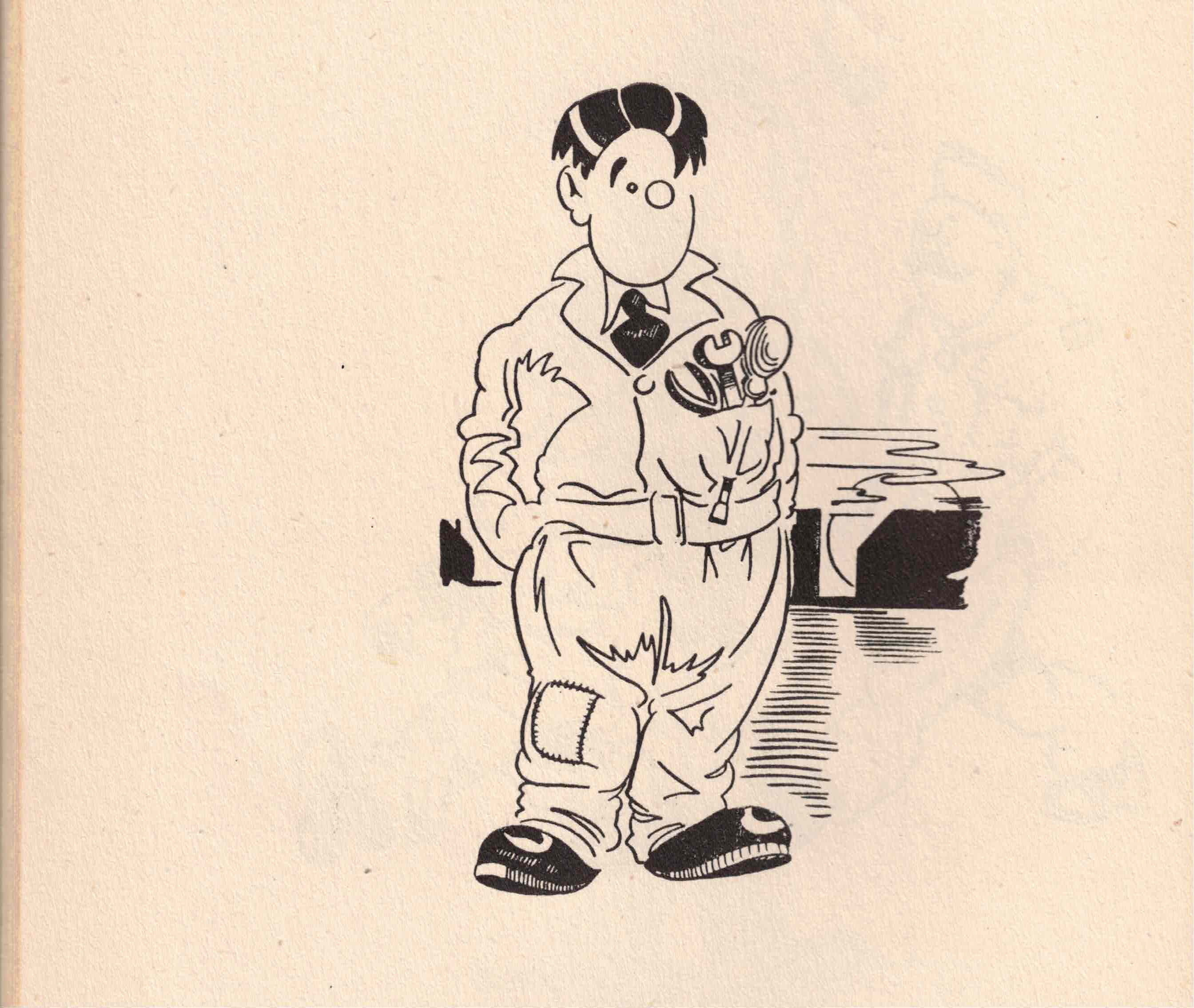
Now, pass me that spanner.


Tuesday, 25 January 2022

Government Health Warning


I’m not sure, any more, if I can remember cigarette packets or advertising without a Government Health Warning attached.Ssuch things are now confined to the annals of nostalgic ephemera, preserved for posterity in, for example, Peter Ashley’s marvellous publications (see above).

I’m certainly getting used to warnings on bottles of booze about this or that and drinking responsibly, and to traffic lights on food (the subversive part of me is keen to buy those with Ds and Es and red lights, as they’re likely to taste better - treat me like a child, and I’ll behave like (a naughty) one). 

And, if I was French, I’d have to start getting used to this sort of stuff on car ads, too. From March, under a new law, car ads in France will have to carry environmental warnings advising potential car-buyers (and, I suppose, anyone seeing the ads) to consider alternatives: “think about carpooling” or “for short journeys, walking or bicycling is preferable.” Weirdly enough, these same warnings will be on ads for electric cars, too, according to the article I read in The Times.

I expect a lot of this will fall on deaf ears. Those that feel vaguely guilty and are receptive to the message may take note, but the overgrown boy-racers about to splurge on their next revving, powerful, polluting beastie won’t pay the least attention.

I’ve always felt that making the alternatives more attractive is the best way to change behaviour rather than ticking people off. I quite like this ad from Heineken for the 0.0 “Cheers with no alcohol” beer. Nicely put together, and there’s a real insight there - sadly missing from so much current advertising.

Or - and now I have a chance to wallow in some Saatchi & Saatchi nostalgia from the last century: one of the best ads they ever did. 


 Credit: The Advertising Archives

Who remembers this one? It’s Relaxby Saatchi & Saatchi, directed by Tony Kaye, from the late 1980s, for Intercity.

Simply glorious - who needs a car?